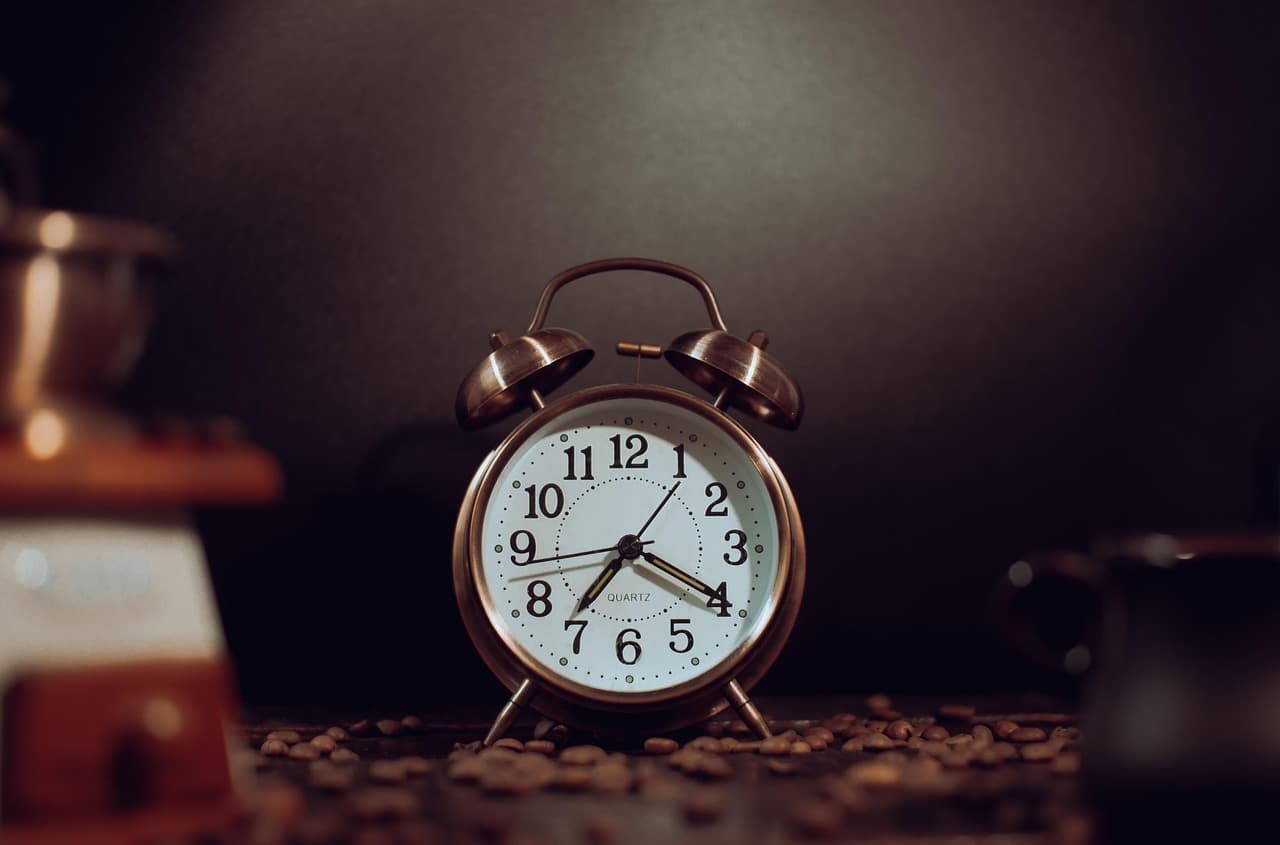
Image by RuslanSikunov on Pixabay
Beat the 2pm Slump: A Science-Backed Recovery Routine to Reclaim Your Afternoon Focus
You hit 2pm and your brain feels like it's moving through molasses. Your eyelids are heavy. The coffee isn't working. Your productivity plummets for the next two to three hours, and you watch the clock until 5pm. The 2pm slump is not laziness or poor time management. It's your circadian rhythm asserting itself, backed by real biology.
The good news: this dip is predictable, and you can engineer a recovery routine that gets you back to deep work by 3:30pm.
Why Your Brain Crashes at 2pm: The Science of Circadian Dips
Your body operates on a circadian rhythm, a 24-hour internal clock governed by light exposure, core temperature, and hormonal cycles. Research from the National Institute of Health demonstrates that alertness peaks in the late morning and again in the early evening, with a significant trough occurring 7 to 9 hours after waking.
For someone who wakes at 6am, that trough lands squarely at 1pm to 3pm.
During this window, your core body temperature dips, melatonin production increases, and adenosine (the sleepiness chemical) builds up in your system. This is not weakness. It's biology. Your ancestors likely used this time for rest and lighter tasks.
The challenge: modern work schedules don't account for this rhythm. You're expected to produce strategic work at 2pm when your brain is signaling rest.
Research published in the NIH's Sleep and Circadian Rhythms database confirms that biphasic alertness patterns are universal across healthy adults, and attempting to push through without intervention leads to decision fatigue and errors by 4pm.
The 2pm Recovery Protocol: A Time-Specific Action Plan
Instead of fighting biology, work with it. This recovery routine is built for the specific 1:45pm to 3:15pm window and takes 30 minutes total.
1:45pm: Strategic Transition (5 minutes)
At 1:45pm, before you hit the wall, step away from your desk. Close your laptop. This is not a break you take after the slump hits. It's a preventative intervention. Set a timer. Your brain needs a clear boundary.
2:00pm to 2:15pm: Light Movement and Temperature Shift (15 minutes)
Go outside or to a window with natural light. Expose your face and hands to daylight for at least 10 minutes. If weather prevents this, use a light therapy lamp at 10,000 lux positioned 16 to 24 inches from your face.
Why this works: Light exposure suppresses melatonin production and resets your circadian phase. Research from the NIH's circadian rhythm studies shows that midday light exposure extends peak alertness into the afternoon.
During this window, walk. Gentle movement raises core body temperature and increases dopamine without triggering fatigue. A 10-minute walk at a comfortable pace is more effective than standing still.
2:15pm to 2:25pm: Hydration and Light Fuel (10 minutes)
Drink 16 ounces of water with electrolytes or a pinch of salt. Dehydration exacerbates afternoon fatigue. Avoid caffeine after 2:15pm; it will interfere with sleep at 10pm.
Eat a small, protein-forward snack: Greek yogurt, a handful of almonds, or cheese and crackers. Avoid simple carbohydrates (cookies, pastries, white bread) that spike blood sugar and trigger insulin, which accelerates the slump.
2:25pm to 3:15pm: Restart Your Focus Session
Return to your desk with a specific goal. Not a vague "catch up on emails." Something concrete: "Finish section 3 of the report," or "Reply to the three highest-priority client messages."
Use the Focus Flow session timer with the Classic Pomodoro option. A 50-minute focused block starting at 2:25pm gets you to 3:15pm, exactly when your circadian rhythm naturally begins to rebound.
If you're using Owliva AI coaching, schedule a mid-session check-in at 2:50pm to keep your goal anchored and your attention tight during this vulnerable window.
Individual Factors That Shape Your 2pm Window
Your personal slump window may not align perfectly with 2pm.
If you wake at 5:30am, your alertness trough arrives closer to 12:30pm to 2:30pm. If you wake at 7:30am, expect the dip at 2:30pm to 4:30pm.
Track your own patterns for one week. Note your energy level every 30 minutes from 12pm to 5pm. You'll see a predictable dip.
Your chronotype also matters. Night owls often experience a less severe 2pm dip but hit a sharper 4pm crash. Early risers may recover by 3pm while night owls need until 4:30pm.
Once you know your personal window, anchor your recovery routine to that specific time. Consistency matters more than perfection.
Protecting the 10pm to 2am Window for Recovery
Your afternoon performance is directly tied to your sleep quality the night before. The 10pm to 2am window is critical for deep sleep and memory consolidation.
To protect this window: no screens after 9:30pm, room temperature between 60 and 67 degrees Fahrenheit, and darkness (use blackout curtains). Blue light from phones and laptops delays melatonin release by up to two hours, which shifts your entire circadian rhythm and deepens the next day's 2pm crash.
If you sleep poorly, your 2pm slump will be severe and your recovery routine will be less effective. These are linked.
Next Steps
Tomorrow at 1:45pm, implement just the light exposure and movement portion of this protocol. Set a phone reminder now. Don't wait until you feel the slump. Go outside or to a window for 10 minutes, then take a brief walk. Note your energy level at 3:15pm.
If you notice improved focus between 3pm and 4:30pm, add the hydration and snack component. Stack one behavior at a time rather than overhauling your entire afternoon.
Review your goals with Owliva AI coaching to identify which projects warrant your peak afternoon focus window. This ensures that when your recovery routine works, you're directing your renewed energy toward your most important work.
Further Reading
Circadian Rhythm Disruption and Alertness: A Comprehensive Review, NIH
Ready to put this into practice?
Review your goals with Owliva →